

Creating a cozy and inviting home office space is essential for anyone looking to combine comfort with productivity. Whether you work remotely full-time or simply need a quiet spot for occasional tasks, having a pleasant environment can make a big difference. Here are some helpful tips to design a home office that feels welcoming and supports your focus.
Choose the Right Location
Selecting the right spot for your home office is the first step toward creating a comfortable workspace.
– Natural light: Position your desk near a window to benefit from natural light. Exposure to daylight can enhance mood and improve concentration.
– Privacy: Find a quiet corner away from high-traffic areas to minimize distractions.
– Space considerations: Ensure there’s enough room not only for your desk and chair but also for any equipment or storage you need.
Invest in Comfortable Furniture
Furniture plays a key role in both comfort and productivity.
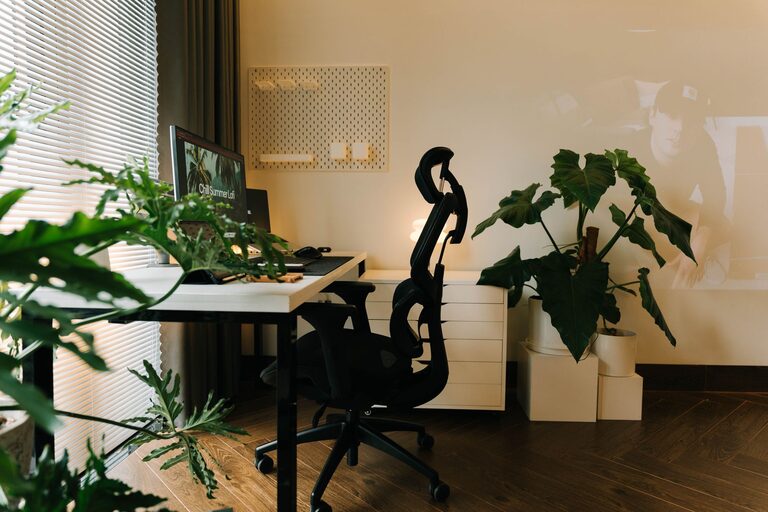
– Ergonomic chair: Choose a chair that supports good posture and can adjust to your height. This helps prevent discomfort during long work hours.
– Appropriate desk: Pick a desk with enough surface area for your computer, notepads, and any other essentials. Adjustable desks that allow you to alternate between sitting and standing can be a great choice.
– Storage solutions: Incorporate shelves, filing cabinets, or baskets to keep your space tidy and reduce clutter.
Add Personal Touches
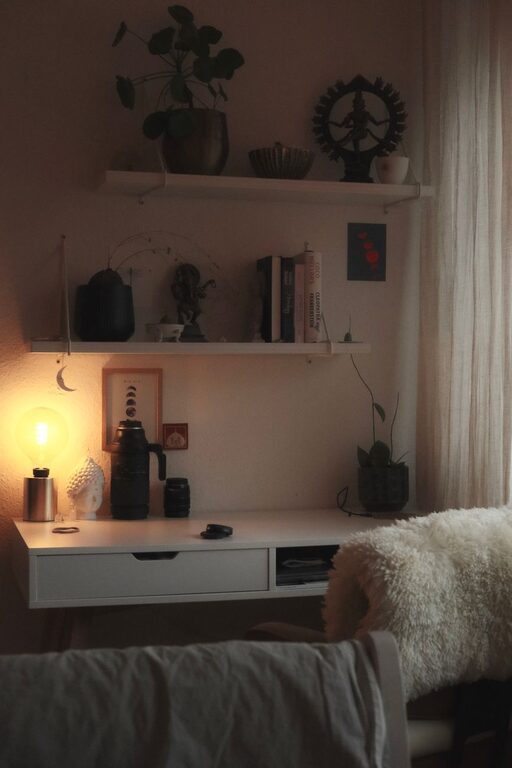
A space that reflects your personality is more enjoyable to spend time in.
– Decorate with art and photos: Hang artwork or display photos that inspire and relax you.
– Choose calming colors: Soft, neutral tones like light blues, greens, or warm grays create a soothing atmosphere.
– Use textiles: Adding a cozy rug, throw blanket, or cushions can make the space feel warmer and more inviting.
Organize for Efficiency
An organized workspace saves time and reduces stress.
– Declutter regularly: Keep only the items you need on your desk and store the rest neatly.
– Use organizers: Desk trays, pen holders, and drawer dividers can help categorize supplies.
– Cable management: Use clips or covers to keep wires tidy and out of the way.
Enhance Lighting
Proper lighting supports focus and reduces eye strain.
– Layered lighting: Combine natural light with overhead fixtures and task lighting like desk lamps.
– Adjust brightness: Choose bulbs with adjustable brightness or temperatures to match the time of day and tasks.
– Avoid glare: Position screens to minimize reflections from windows and lights.
Incorporate Greenery
Plants can add life to your office and improve air quality.
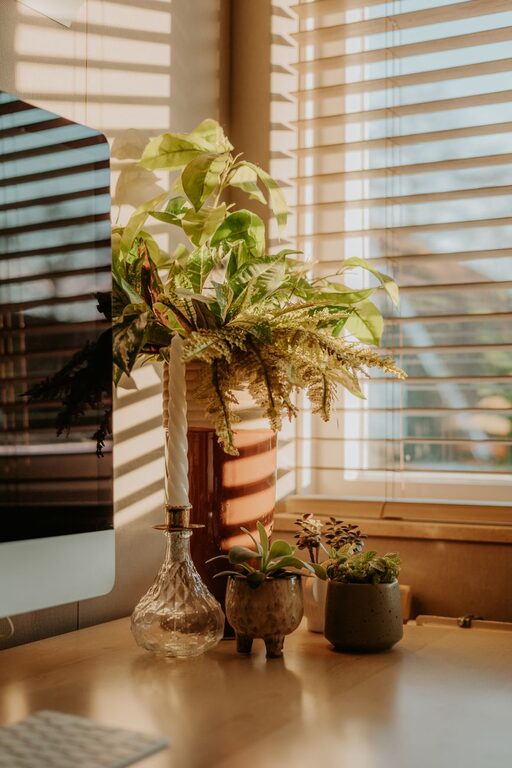
– Select easy-care plants: Succulents, snake plants, or pothos are low-maintenance options that thrive indoors.
– Placement: Place plants near your desk or windowsill to brighten up the space.
Create a Relaxation Corner
If space permits, dedicate a small area for breaks.
– Comfortable seating: A small armchair or bean bag can be perfect for a quick rest.
– Add mood enhancers: Include a diffuser with calming scents or a small speaker for background music.
Maintain Good Air Quality
A fresh environment is more energizing.
– Ventilation: Open windows when possible to let fresh air circulate.
– Air purifiers: Consider using an air purifier if your room tends to be stuffy.
Set Boundaries and Keep it Professional
Even cozy, your home office should encourage productivity.
– Define work hours: Keep your office hours consistent to separate work from personal time.
– Keep it tidy: A clean space helps maintain focus and conveys professionalism during video calls.
—
By incorporating these tips, you can create a home office that is not only functional but also a warm and inviting place to spend your workday. Personalize your space according to your preferences, and remember to balance comfort with organization for the best results.