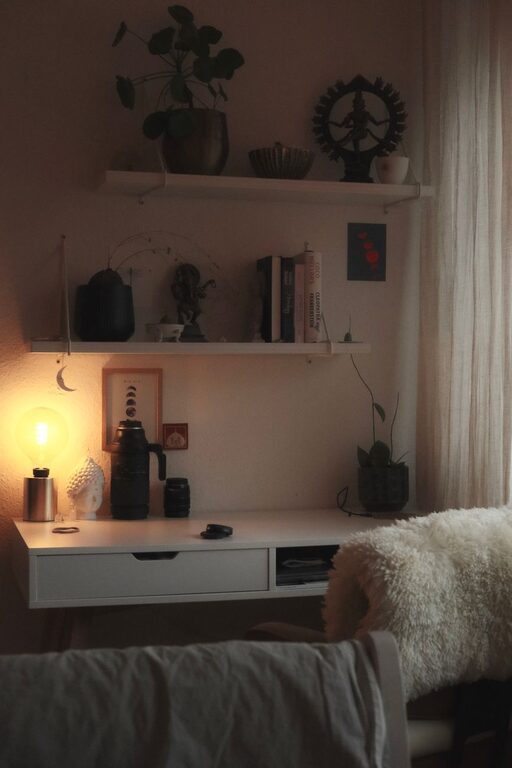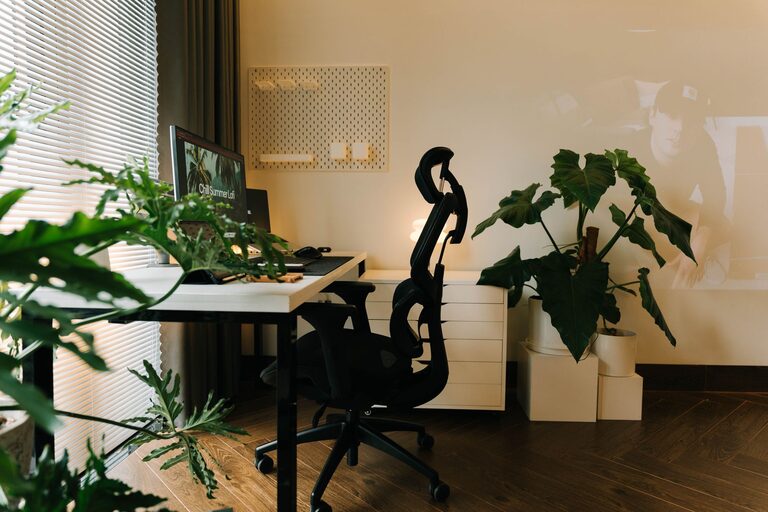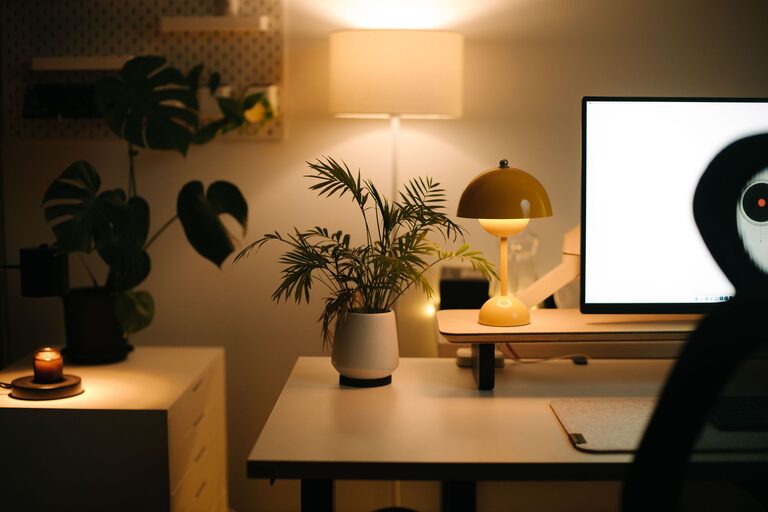

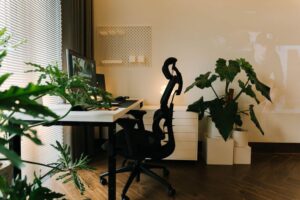


Creating a relaxing home workspace is essential for anyone working remotely or spending significant time on personal projects. An inviting and organized environment not only helps reduce stress but also boosts productivity and overall well-being. Whether you have a dedicated room or a cozy corner, making intentional choices can transform your workspace into a place where you feel motivated and calm.
In this post, we’ll explore practical tips to design a home workspace that supports both your mental clarity and comfort.
Why a Relaxing Workspace Matters
When your workspace feels cluttered or uncomfortable, it can easily lead to distractions and increased stress levels. On the other hand, a space that feels peaceful and well-arranged encourages focus and creativity. This balance between productivity and relaxation helps maintain motivation throughout the day and can contribute to better mental health.
Choose the Right Location
Find a Quiet Spot
Select a place in your home with minimal noise and foot traffic. This might be a spare room, a corner of the bedroom, or a quiet nook in the living room. The more peaceful the location, the easier it is to concentrate.
Consider Natural Light
Natural light supports mood and alertness, so position your desk near a window if possible. Avoid glare on your screen by adjusting curtains or blinds. If natural light is limited, invest in a good-quality desk lamp with adjustable brightness to reduce eye strain.
Invest in Comfortable Furniture
Ergonomic Chair
Choose a chair that supports good posture with adjustable height and lumbar support. Comfort prevents back pain and fatigue, helping you stay focused longer.
Desk at Comfortable Height
Your desk should allow your arms to rest at a 90-degree angle when typing. Adjustable desks or standing desk converters can offer flexibility and encourage movement.
Declutter and Organize
Keep Only Essentials on Your Desk
A clean surface reduces distractions. Only keep items you use daily, such as your computer, notebook, or a pen holder.
Use Storage Solutions
Shelves, drawers, or boxes help keep paperwork and supplies organized and out of sight. Labeling containers can save time when searching for items.
Manage Cables
Use cable organizers or clips to keep cords tidy and prevent them from tangling or cluttering your workspace.
Add Calming Elements
Incorporate Plants
Plants improve air quality and add a touch of nature, which can lower stress and increase productivity. Choose low-maintenance varieties like succulents or snake plants.
Use Soft Colors
Paint the walls or decorate with soft, neutral colors like light blues, greens, or soft grays that promote relaxation.
Play Gentle Background Music
If you find it helpful, play soft instrumental music or nature sounds at a low volume to create a soothing atmosphere.
Personalize Without Overcrowding
Adding personal touches like photos, artwork, or inspirational quotes can make the space feel welcoming. Avoid overcrowding to maintain a clean and effective work environment.
Manage Digital Distractions
Turn Off Non-Essential Notifications
Customize your device settings to disable alerts that are unrelated to work tasks. This helps you stay focused and reduces stress caused by constant interruptions.
Use Productivity Tools
Apps that block distracting websites or track your work intervals can help maintain concentration and encourage regular breaks.
Take Breaks and Move
Include space in your workspace for stretching or short movement breaks. Changing your position regularly improves circulation and prevents stiffness.
Maintain Your Workspace
At the end of each day, take a few minutes to tidy up your area. Regular maintenance prevents clutter from accumulating and keeps your environment inviting.
—
By thoughtfully creating a relaxing home workspace, you’ll support both your productivity and well-being. Remember, small changes can make a big difference in how you feel and perform throughout your workday. Start with these tips and customize your space to fit your unique needs and preferences.