



Creating a cozy and inviting home workspace is essential for maintaining productivity, comfort, and well-being, especially as more people work remotely or spend time on personal projects. A thoughtfully designed workspace can improve focus, reduce stress, and make working from home an enjoyable experience. In this post, we’ll explore practical tips to help you transform any corner of your home into a pleasant and efficient work area.
Why a Cozy Workspace Matters
Your work environment plays a significant role in how you feel throughout the day. A cluttered, uncomfortable, or uninspiring space can lead to distractions and fatigue. On the other hand, a cozy and inviting workspace encourages productivity, enhances creativity, and supports your overall mood. It’s not just about aesthetics — comfort and functionality are key.
—
Choose the Right Location
The first step in creating your cozy workspace is picking the best spot in your home:
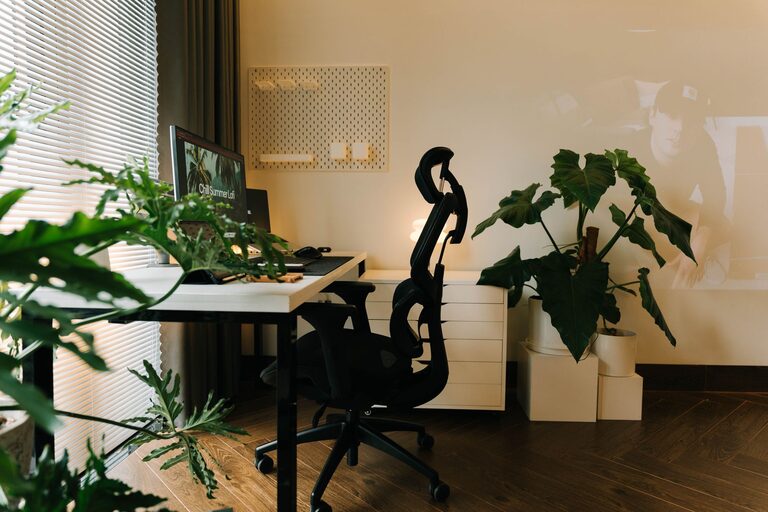
– Natural light: Try to position your desk near a window. Natural light improves mood and alertness, reducing eye strain.
– Quiet area: Select a part of your home where noise and foot traffic are minimal to help maintain focus.
– Space availability: Ensure enough room for your essentials, like your computer, notebooks, and office supplies.
– Away from distractions: Avoid placing your workspace near the television or high-traffic zones.
—
Invest in Comfortable Furniture
Comfort supports productivity. Consider these furniture tips:
– Ergonomic chair: A chair that supports good posture helps prevent back pain and fatigue, keeping you comfortable during long work sessions.
– Desk height: Your desk should allow your forearms to rest parallel to the floor when typing. Adjustable desks offer added flexibility.
– Footrest: If your feet don’t rest flat on the floor, use a footrest to reduce strain.
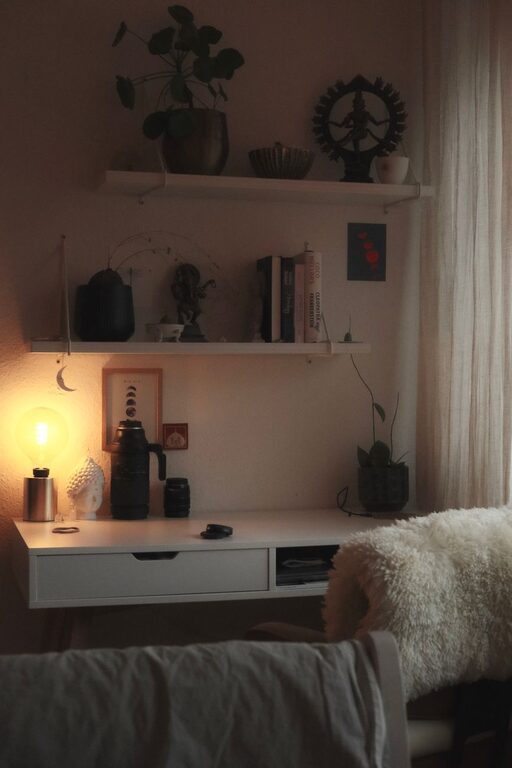
– Multi-purpose furniture: In smaller spaces, a simple foldable desk or a wall-mounted drop-leaf table can be very functional without taking much room.
—
Optimize Lighting
Good lighting reduces eye strain and boosts concentration:
– Layered lighting: Combine natural daylight with task lighting and ambient lighting to create a balanced atmosphere.
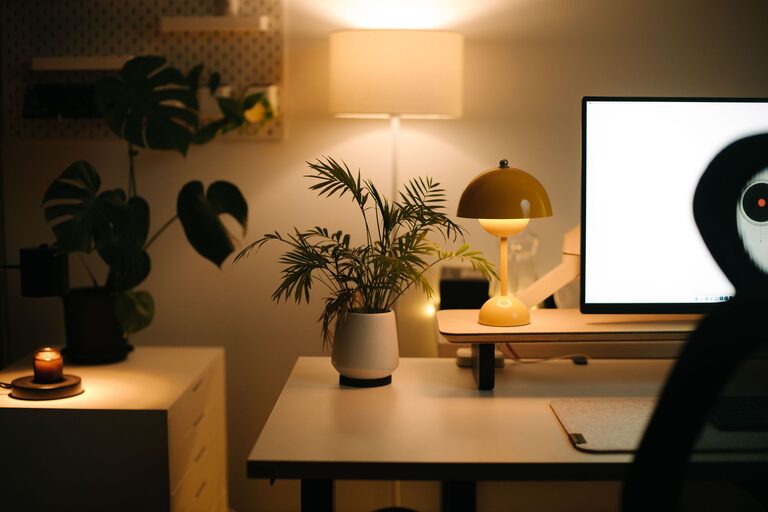
– Desk lamp: A high-quality desk lamp with adjustable brightness helps illuminate your workspace precisely.
– Avoid glare: Arrange your computer screen to minimize glare from windows or lights.
—
Organize and Declutter
An organized workspace reduces distractions and stress:
– Storage solutions: Use shelves, drawers, or storage boxes to keep supplies tidy.
– Minimalist approach: Keep only necessary items on your desk to maintain focus.
– Cable management: Use clips or cable organizers to prevent cords from tangling.
– Daily cleanup: Spend a few minutes at the end of each day tidying up to start fresh the next morning.
—
Add Personal and Cozy Touches
Personalization makes your workspace inviting:
– Plants: Adding greenery improves air quality and creates a calming environment.
– Artwork: Hang inspiring images or quotes that motivate you.
– Soft textiles: Use cushions, a cozy throw, or a rug to add warmth and comfort.
– Scent: A subtle scent, like a candle or essential oil diffuser, can create a pleasant atmosphere (be mindful of allergies or sensitivities).
—
Incorporate Tech and Tools Wisely
Efficient tools streamline your workflow:
– Monitor stands: Proper monitor positioning prevents neck strain.
– Wireless devices: Reduce clutter with wireless keyboards and mice.
– Quality headphones: Noise-cancelling headphones can help maintain focus in noisy environments.
– Charging stations: Use organized charging hubs for your devices.
—
Create a Routine-Friendly Environment
Your workspace should support your daily habits:
– Designate work hours: Having a clear start and end helps separate work and personal life.
– Break areas: If possible, keep a separate spot nearby for breaks or quick stretches.
– Inspiration board: Use a corkboard or whiteboard for to-do lists, goals, and reminders.
—
Final Thoughts
A cozy and inviting home workspace combines comfort, functionality, and personal style. Whether you have a dedicated room or a small corner, applying these simple tips can help you build an environment where work feels natural and enjoyable. Remember, your workspace should evolve with your needs, so make adjustments as you discover what works best for you.
Creating a sanctuary for work in your own home not only boosts productivity but also encourages a healthier work-life balance. Start small, stay consistent, and enjoy creating a space that truly supports you.