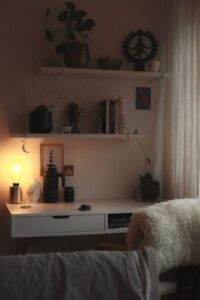
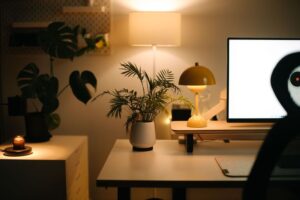
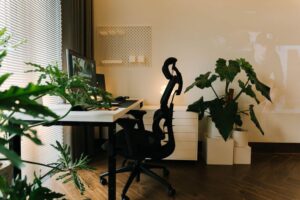

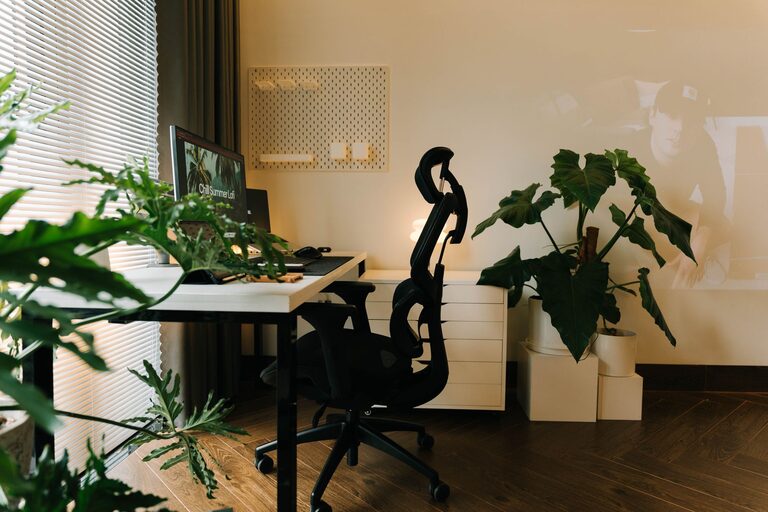
Creating a relaxing home workspace is essential for maintaining productivity and comfort, especially as more people work remotely. A well-designed area helps reduce stress, improve focus, and create a clear boundary between work and relaxation. Whether you have a dedicated room or a small corner, some thoughtful adjustments can transform your workspace into a peaceful and efficient environment.
Why a Relaxing Workspace Matters
A workspace that feels calm and inviting positively impacts your mental state and work output. When you’re comfortable and less distracted by clutter or discomfort, you can focus better and sustain your energy. On the other hand, a chaotic or uninspiring setup may lead to fatigue, procrastination, or burnout. Prioritizing relaxation in your design supports a healthier work–life balance and encourages greater creativity.
Choosing the Right Location
Find a Quiet Spot
Select an area in your home with minimal noise and distractions. Avoid high-traffic zones like the living room during busy hours. A quieter spot allows you to concentrate and take breaks without interruption.
Consider Natural Light
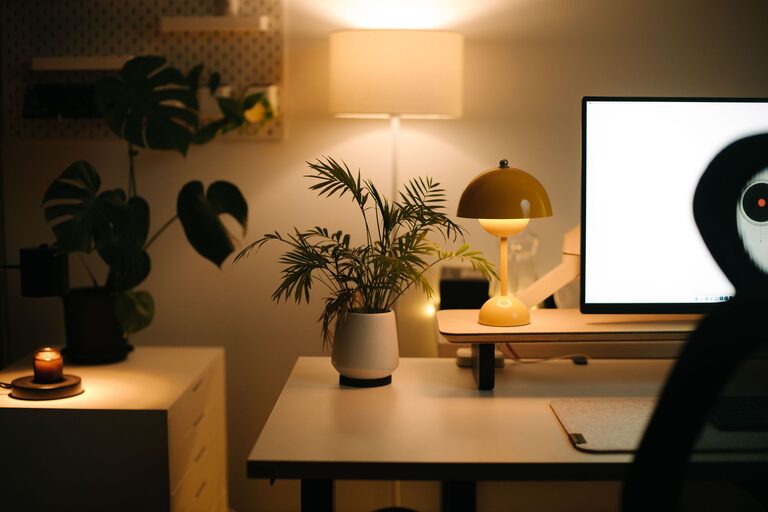
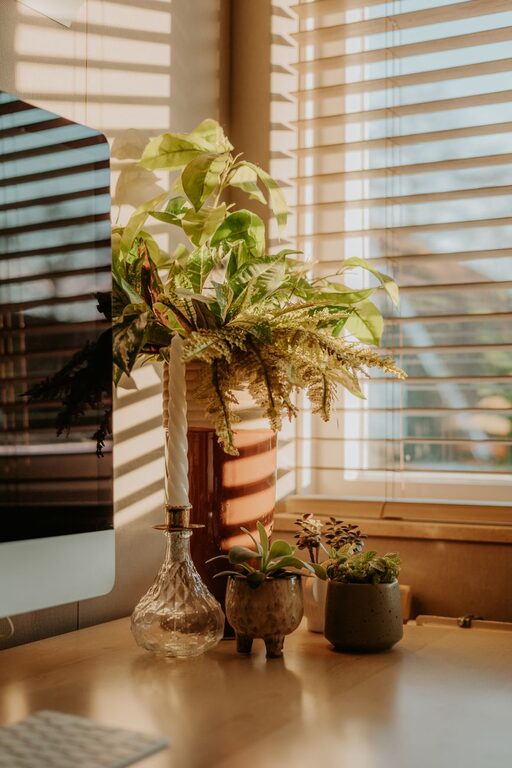
Placing your workspace near a window provides soft, natural light that can boost mood and reduce eye strain. If natural light isn’t available, invest in a good quality desk lamp with adjustable brightness.
Comfortable and Supportive Furniture
Invest in an Ergonomic Chair
Comfort starts with good seating. Choose a chair that supports your lower back and encourages proper posture. Adjustable chairs allow you to customize height and tilt, preventing discomfort during long work sessions.
Choose the Right Desk
Pick a desk that fits your space but also offers enough surface area for your computer, notebooks, and other essentials. Standing desks or adjustable desks can let you switch between sitting and standing, which is beneficial for circulation.
Organizing for Calm and Efficiency
Declutter Regularly
Keep your workspace free of unnecessary items to minimize distractions. Use trays or containers for small office supplies, and limit your desktop to essential items only.
Use Storage Solutions
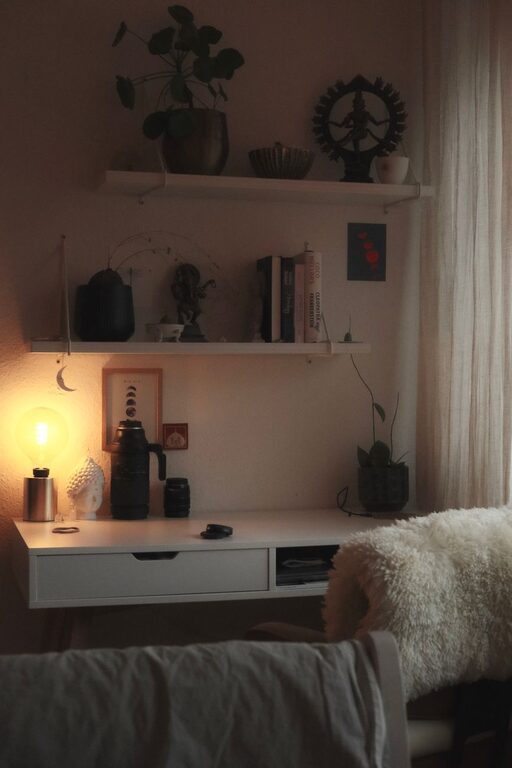
Shelves, drawers, and filing cabinets help keep paperwork and tools organized and out of sight. A tidy space feels more relaxing and makes finding needed materials easier.
Personal Touches Without Overcrowding
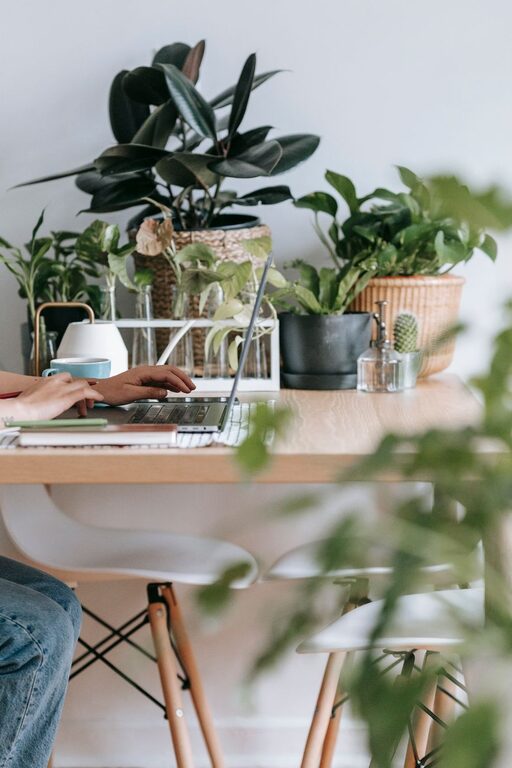
Add a few personal items, like a small plant, photos, or artwork that inspire you. These touches create a welcoming atmosphere without overwhelming the workspace. Greenery, in particular, can improve air quality and give a sense of calm.
Optimize Technology for Comfort
Manage Cables Neatly
Use cable organizers or clips to keep cords tidy and reduce visual clutter. This simple step makes your workspace look cleaner and reduces the risk of tripping.
Use Quality Equipment
Invest in accessories like an external keyboard, mouse, or monitor stand to create a more ergonomic setup. Comfortable tools reduce strain on your hands and neck.
Create a Calming Ambience
Control Lighting
Avoid harsh overhead lighting. Use a mix of ambient and task lighting to reduce glare and create a warm atmosphere. Soft, warm bulbs are easier on the eyes.
Add Soothing Elements
Consider gentle background sounds, like soft instrumental music or nature sounds, to maintain focus and reduce stress. Aromatherapy with subtle scents such as lavender or eucalyptus can also enhance relaxation.
Incorporate Movement and Breaks
Sitting for too long can be harmful, even in the most comfortable setup. Schedule short breaks to stretch, walk, or do light exercises. These moments refresh your body and mind, helping you stay productive longer.
Maintain a Routine
Start and end your workday by organizing your space. This habit signals when work begins and ends, helping you switch between professional and personal time. Clean your desk at the end of each day to prepare for a fresh start.
Conclusion
Designing a relaxing home workspace is about more than aesthetics—it’s about creating an environment that supports your well-being and work goals. By choosing the right location, investing in comfortable furniture, keeping your space organized, and adding personal yet calming touches, you can boost both productivity and comfort. Remember, the best workspace adapts to your needs and promotes balance, making working from home a more enjoyable and effective experience.